 BeforeAI
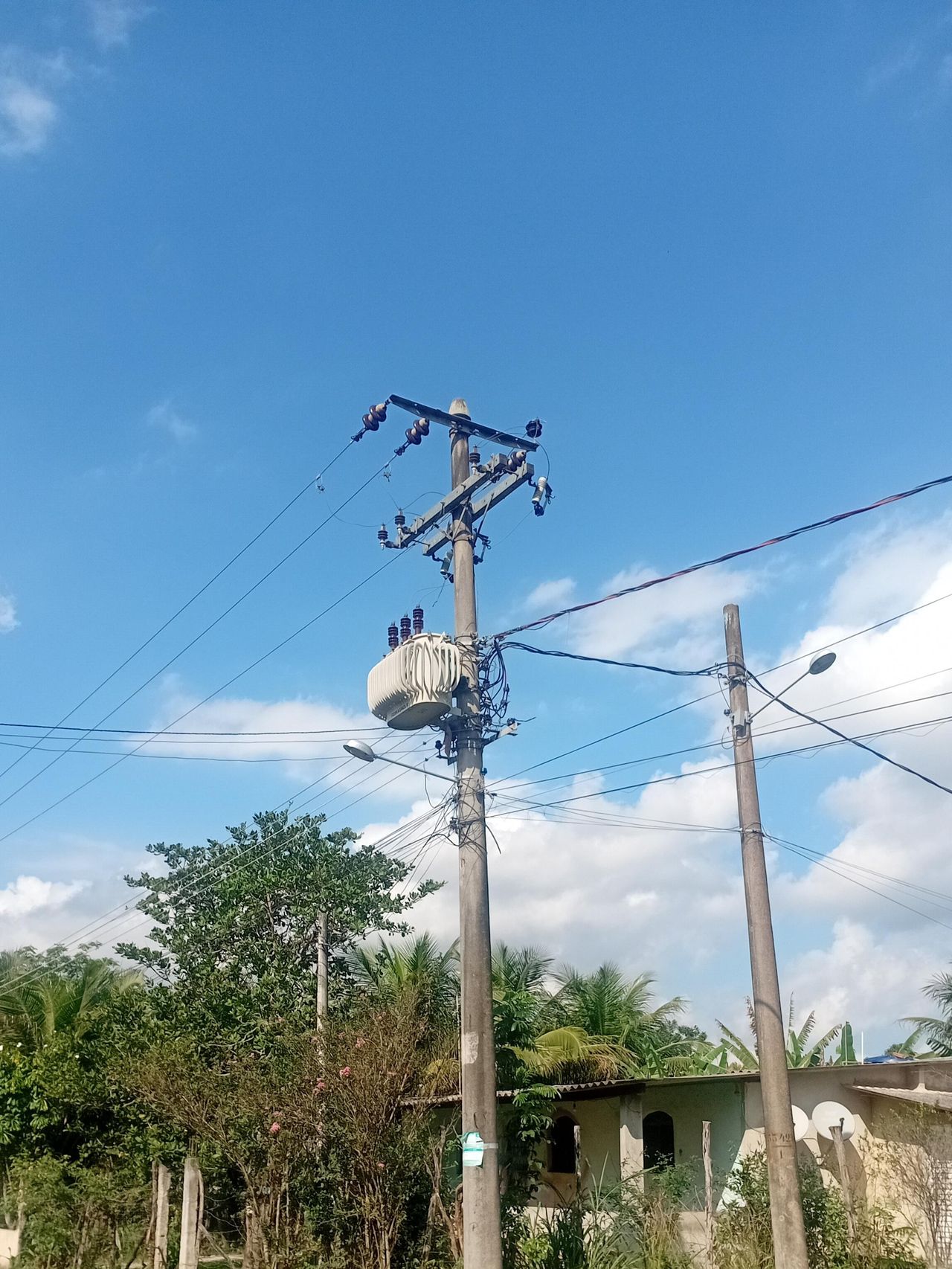
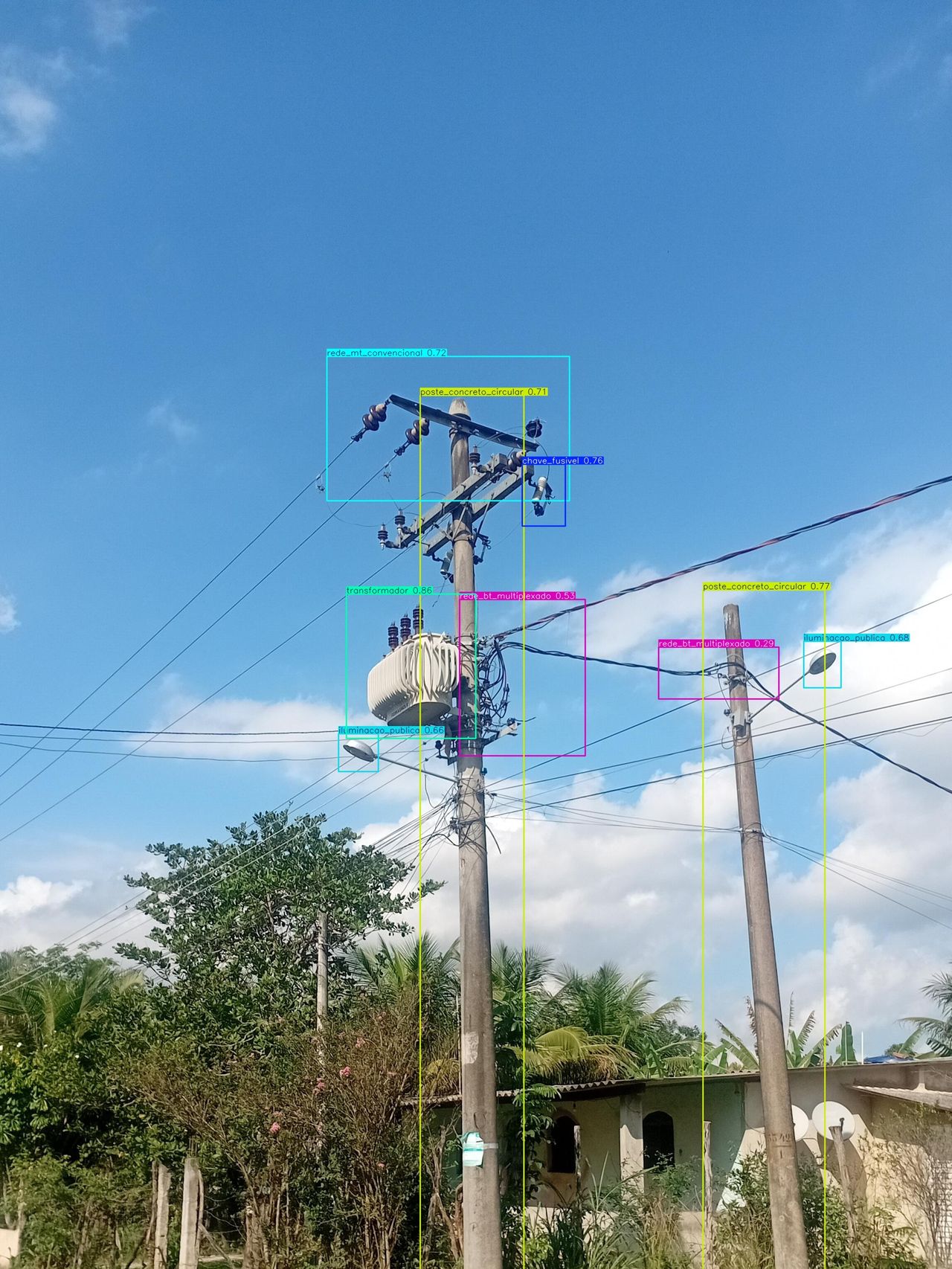
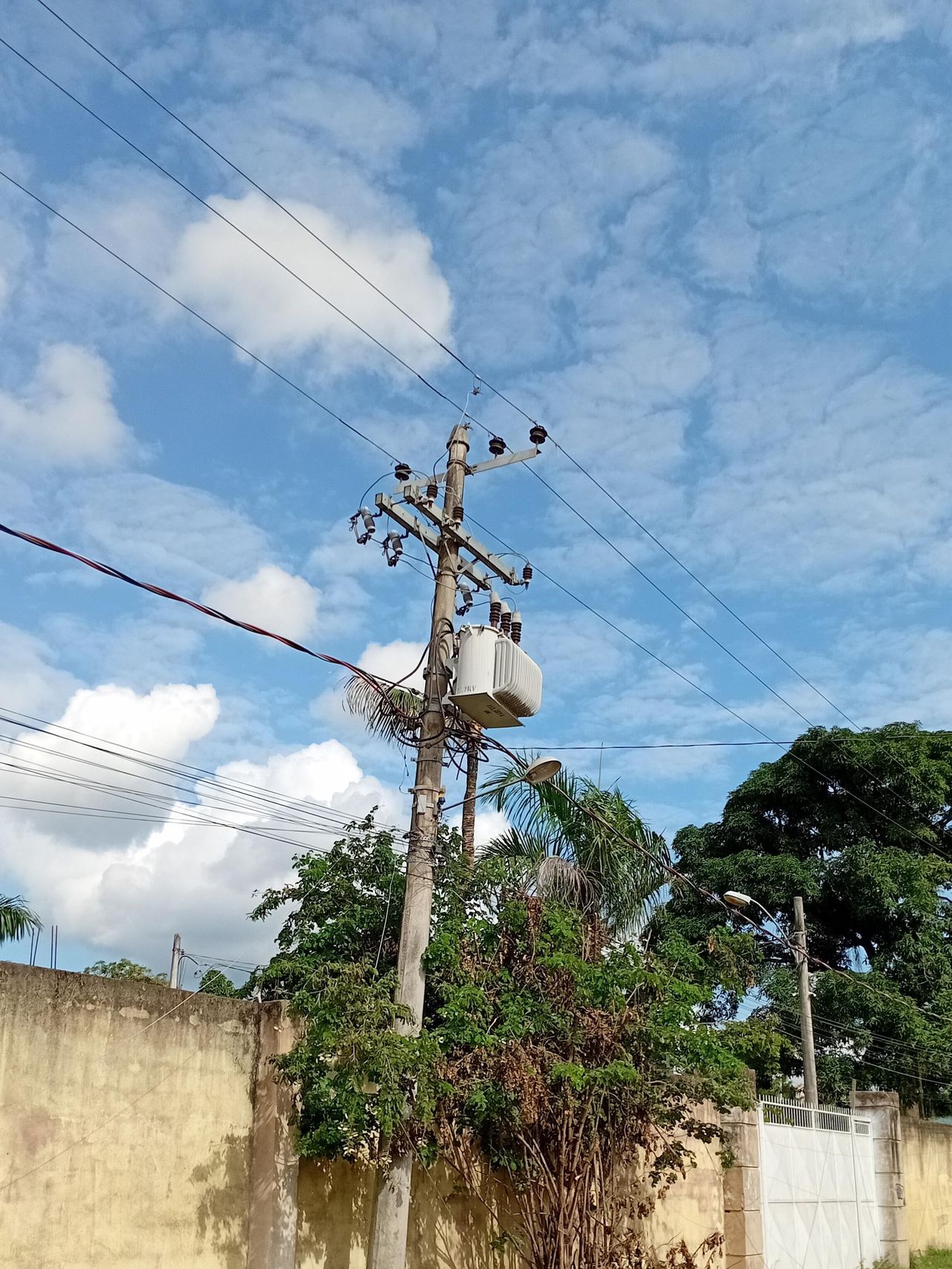
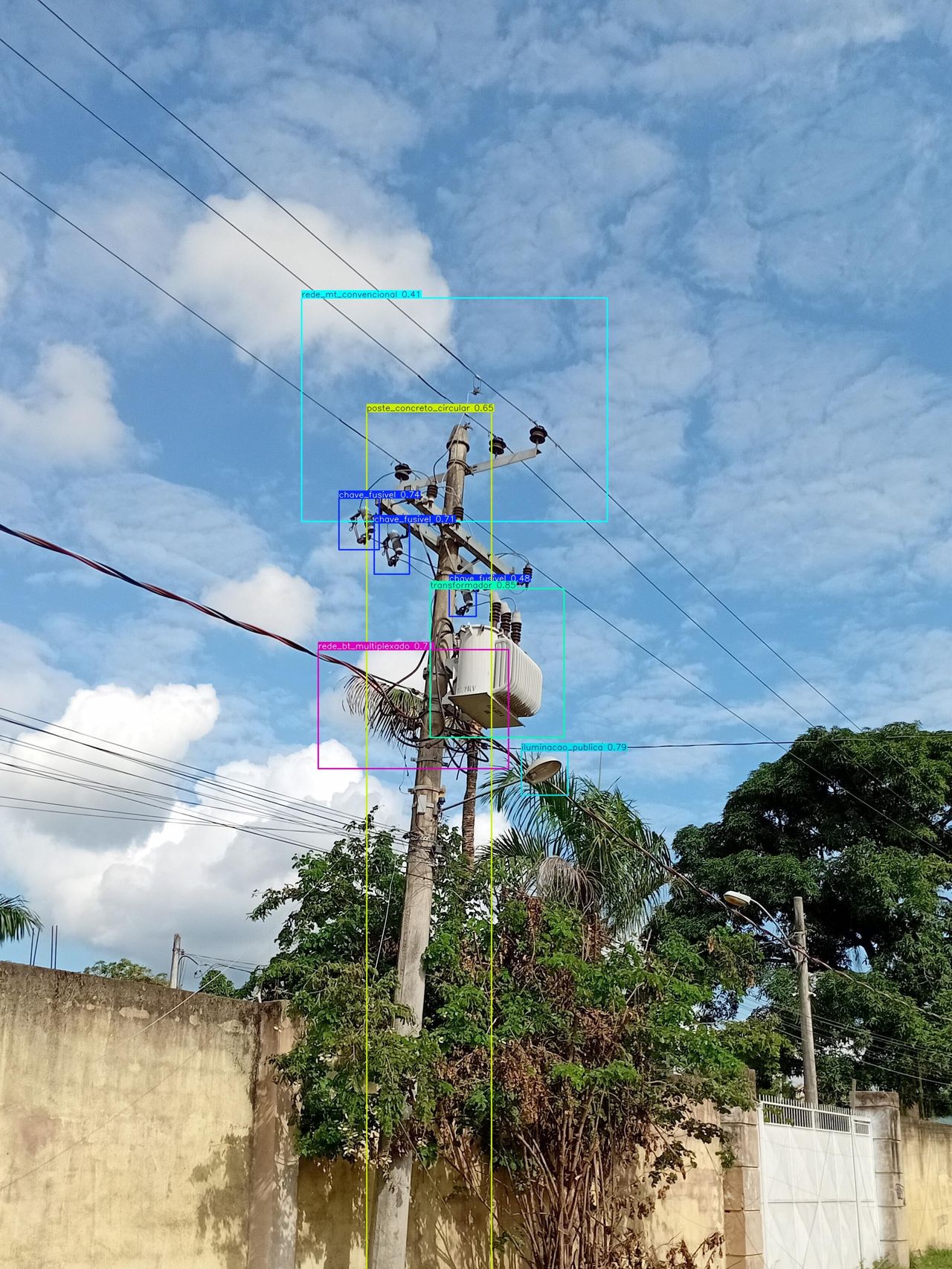
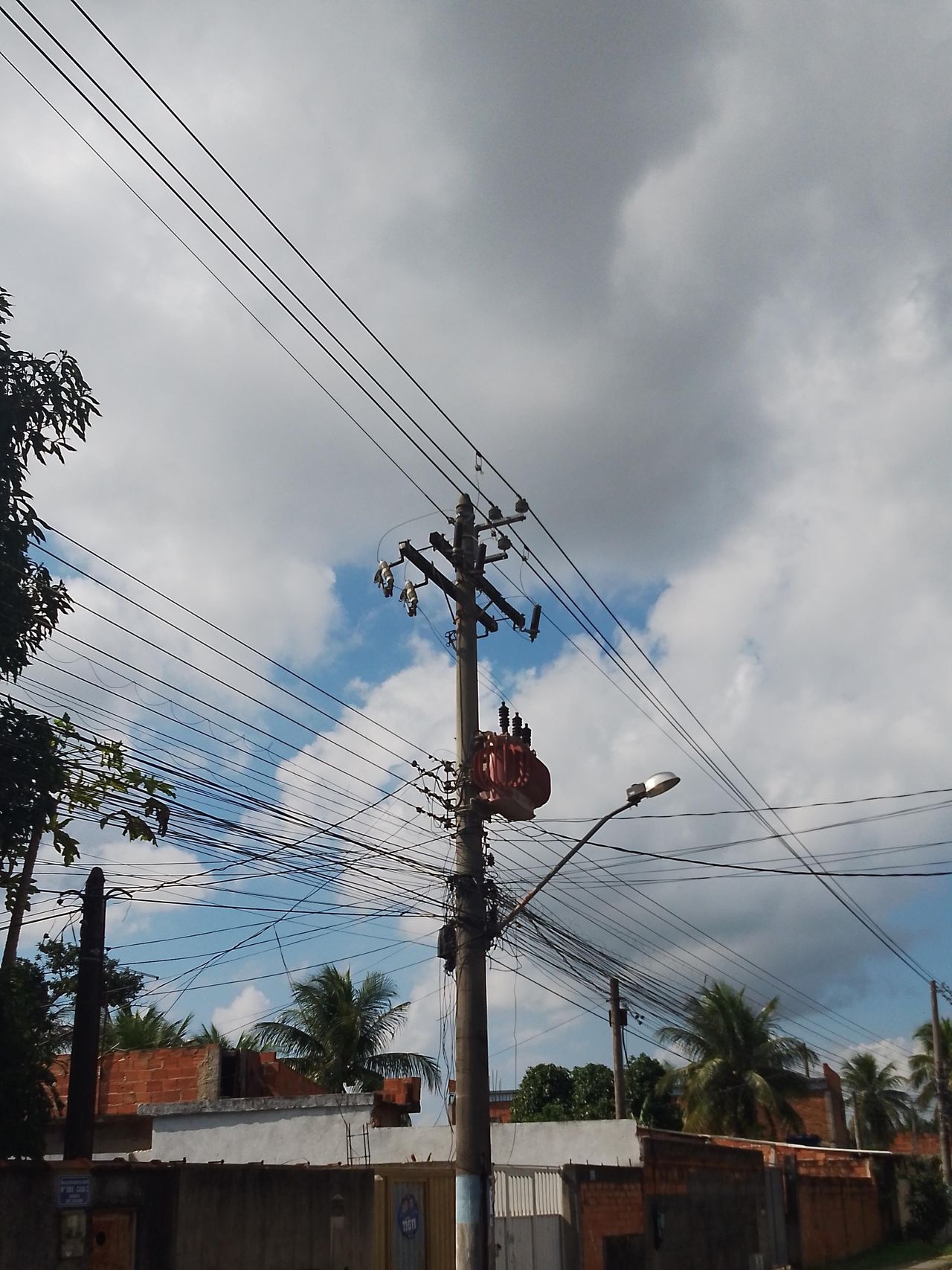
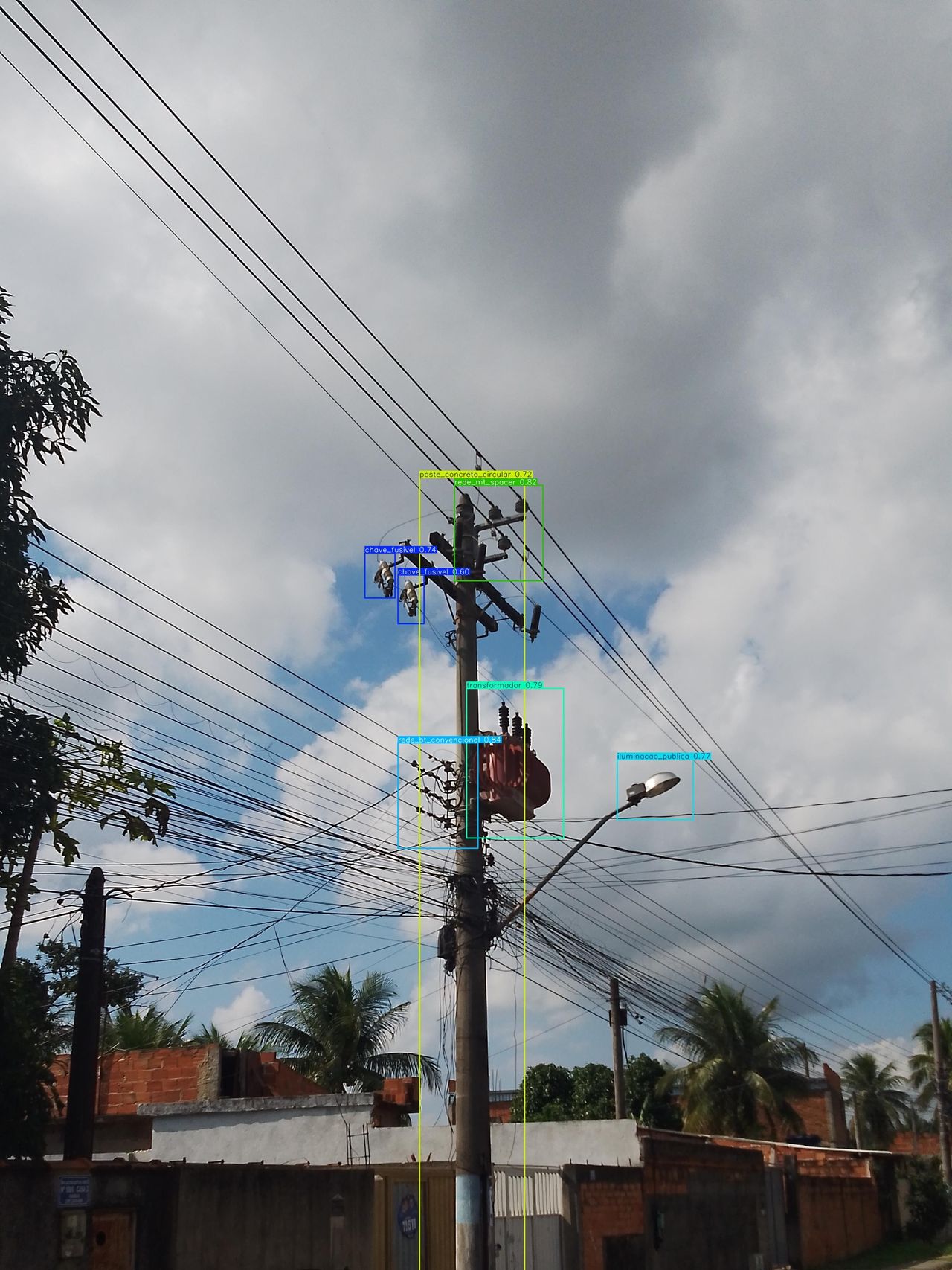
Drag to reveal the automatic detection — 9 assets identified: transformer, concrete pole, fuse switch, MV/LV network, public lighting.
Registering each asset by hand was the bottleneck of the inventory for the tariff review. We automated that step with AI: less labour, faster delivery.
BeforeAI
Drag to reveal the automatic detection — 9 assets identified: transformer, concrete pole, fuse switch, MV/LV network, public lighting.
One of the largest electric power utilities in the State of Rio de Janeiro was carrying out the inventory of its electrical assets, a mandatory step of the tariff review regulated by ANEEL, Brazil's electricity regulator. To do the job, it hired Intellissis.
One of the inventory steps was registering each asset by hand: someone opened every field photograph, identified poles, transformers, medium- and low-voltage networks, fuse switches and identification plates, and typed it all into the system. With millions of photos, this step took up most of Intellissis's labour and set the delivery deadline to the utility.
Intellissis brought us that bottleneck. Our starting point was not the technology but the process: where the repetitive work is, what it costs, and what changes once it is no longer manual. The answer was an AI that detects and registers the assets on its own, and keeps getting more accurate with use.
Each inspection generates data that feeds back into the model. Operators validate or correct detections, and this feedback automatically triggers a new retraining cycle. The most accurate model is promoted to production without manual intervention.
From archive indexing to assisted annotation, auditable training, automatic promotion of the best model, and an operational feedback loop. A replicable process from data collection to production.
Production REST API and .NET/C# SDK integrated into Intellissis's Windows systems, with no infrastructure migration. The registration team started using AI without realising they were dealing with machine learning.
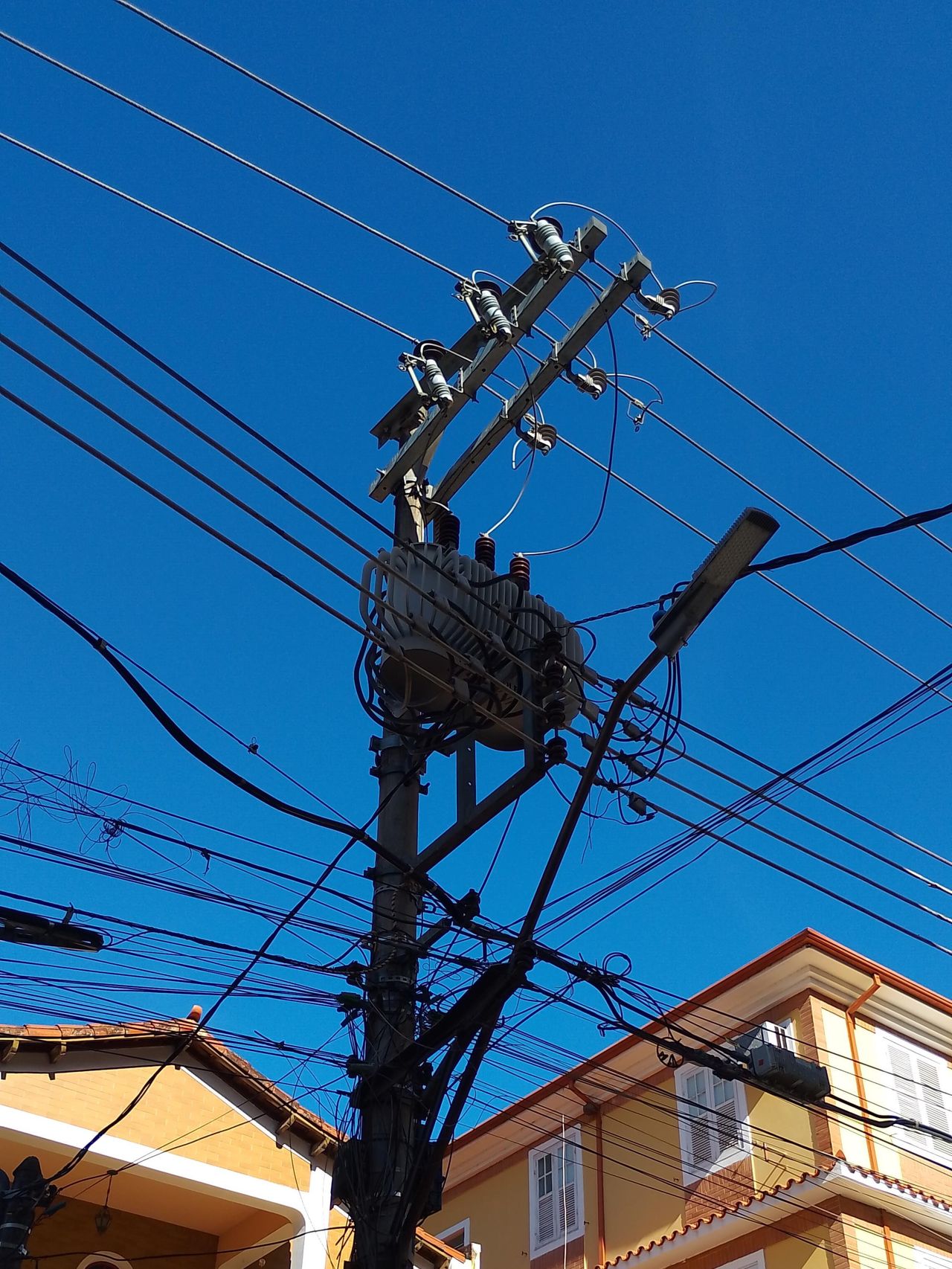
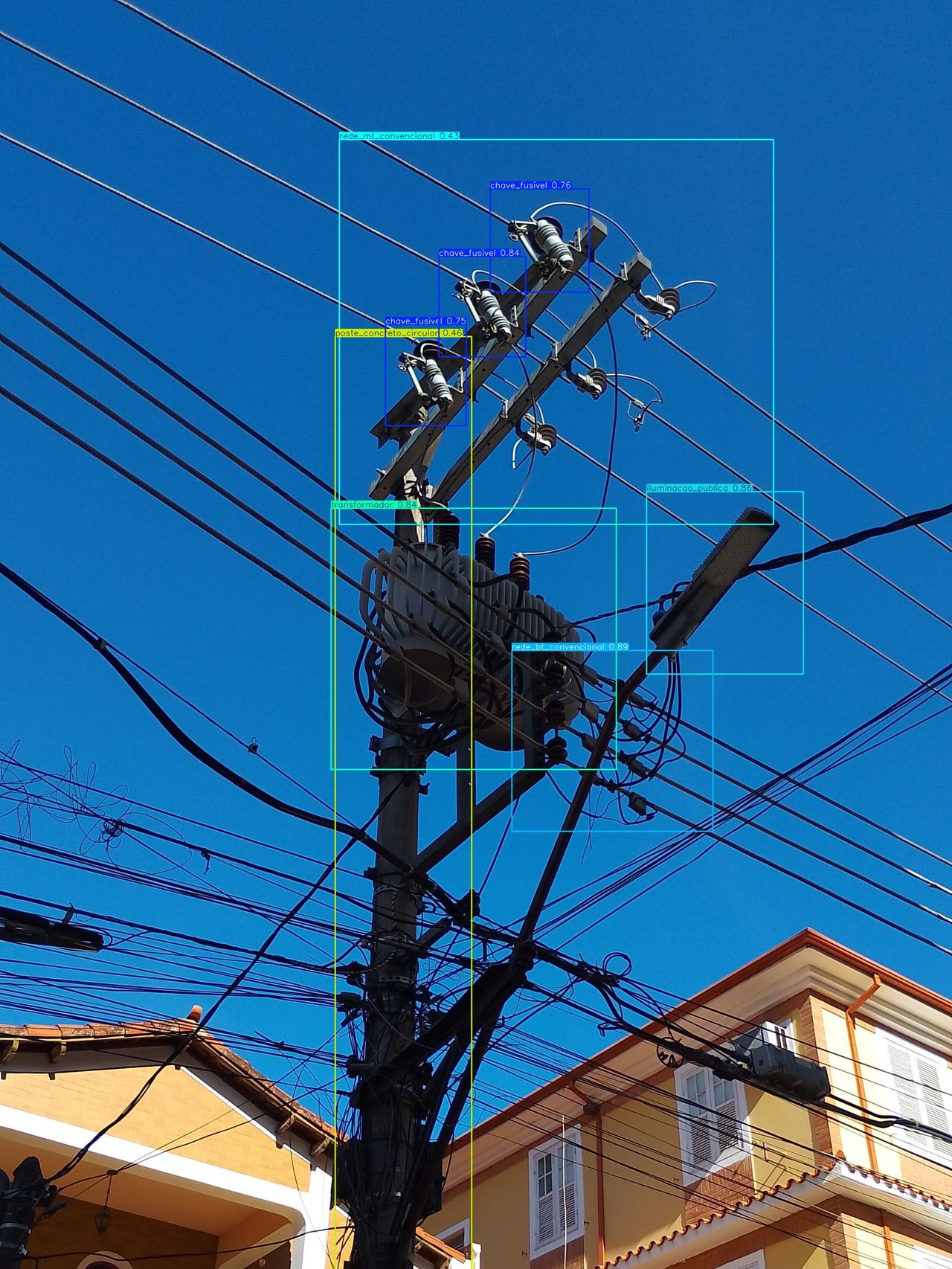
Drag each image to compare the original photo with the automatic detection.
BeforeAI
9 simultaneous detections in an urban environment.
 BeforeAI
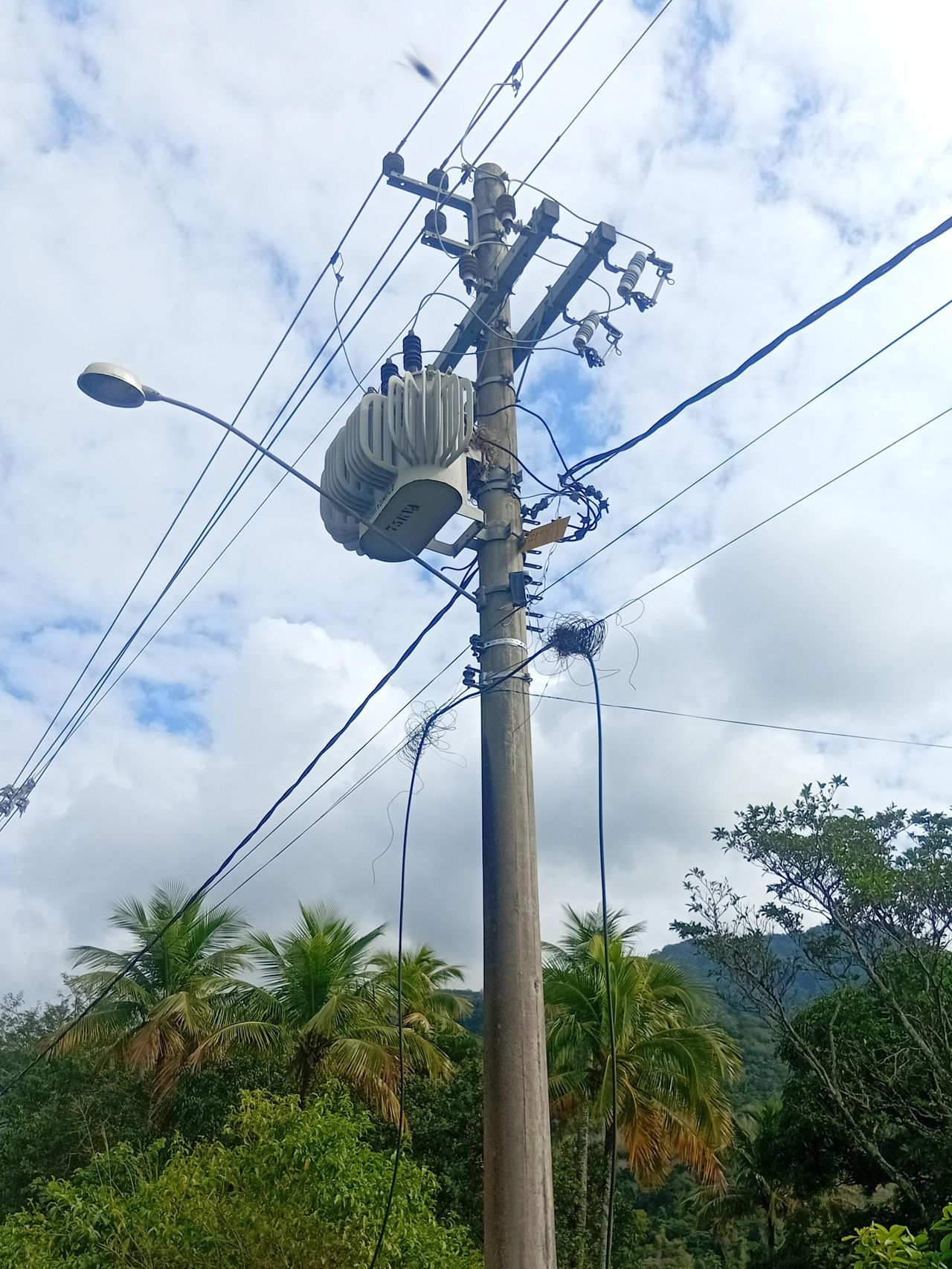
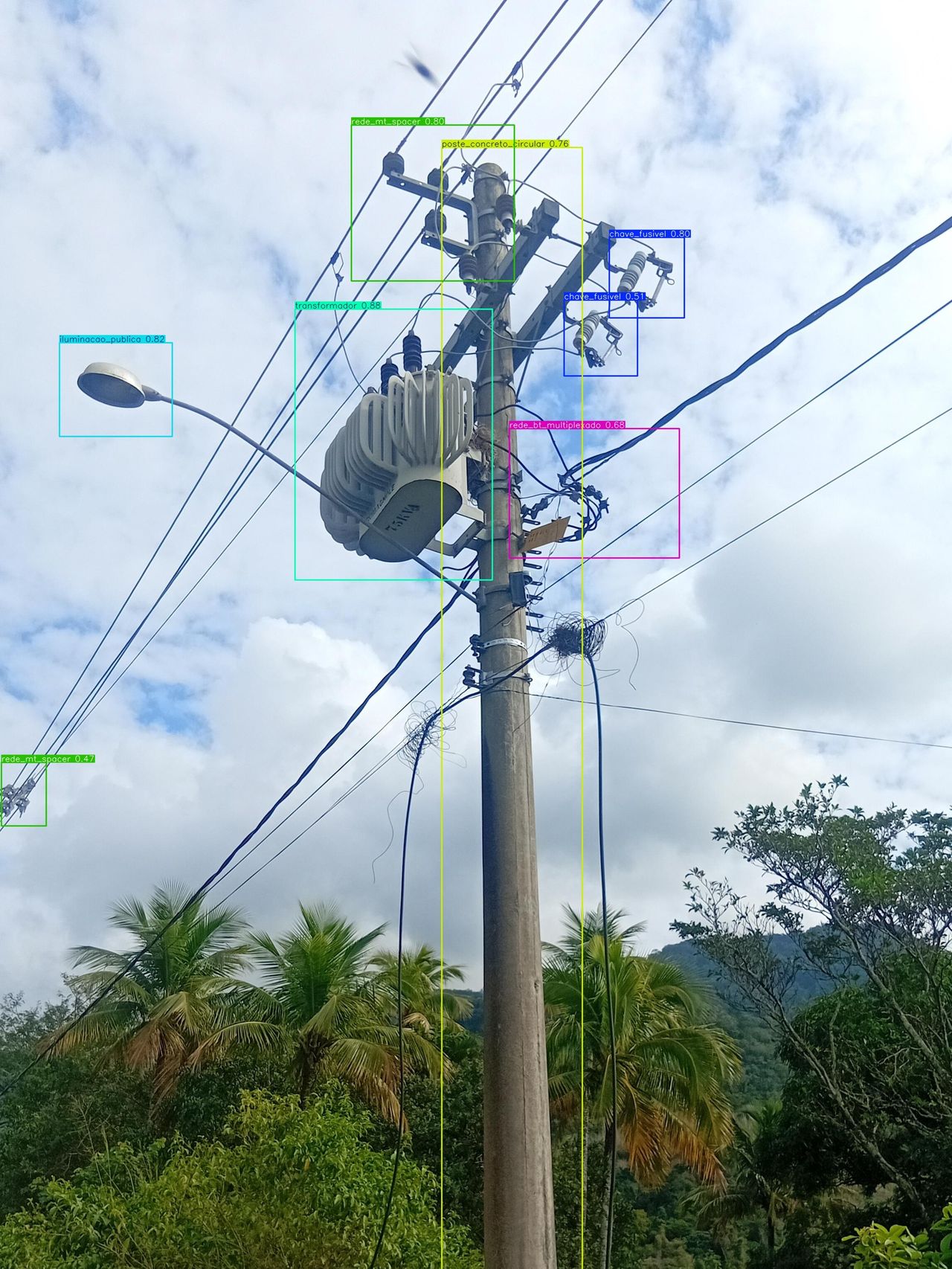
Medium- and low-voltage network with transformer.
 BeforeAI
Concrete pole and public lighting.
 BeforeAI
Urban infrastructure with multiple assets.
 BeforeAI
Spacer network — urban infrastructure variation.
 BeforeAI
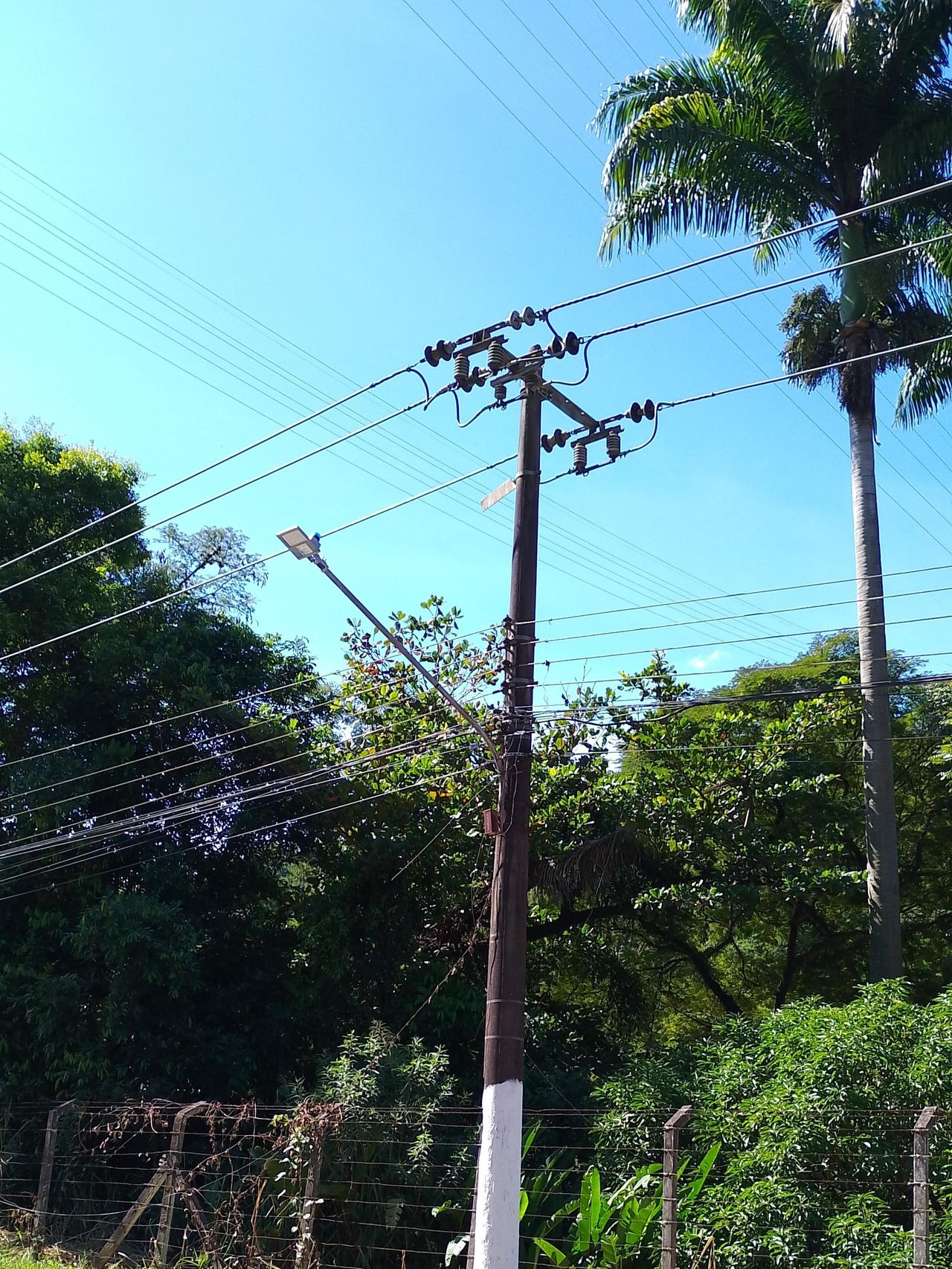
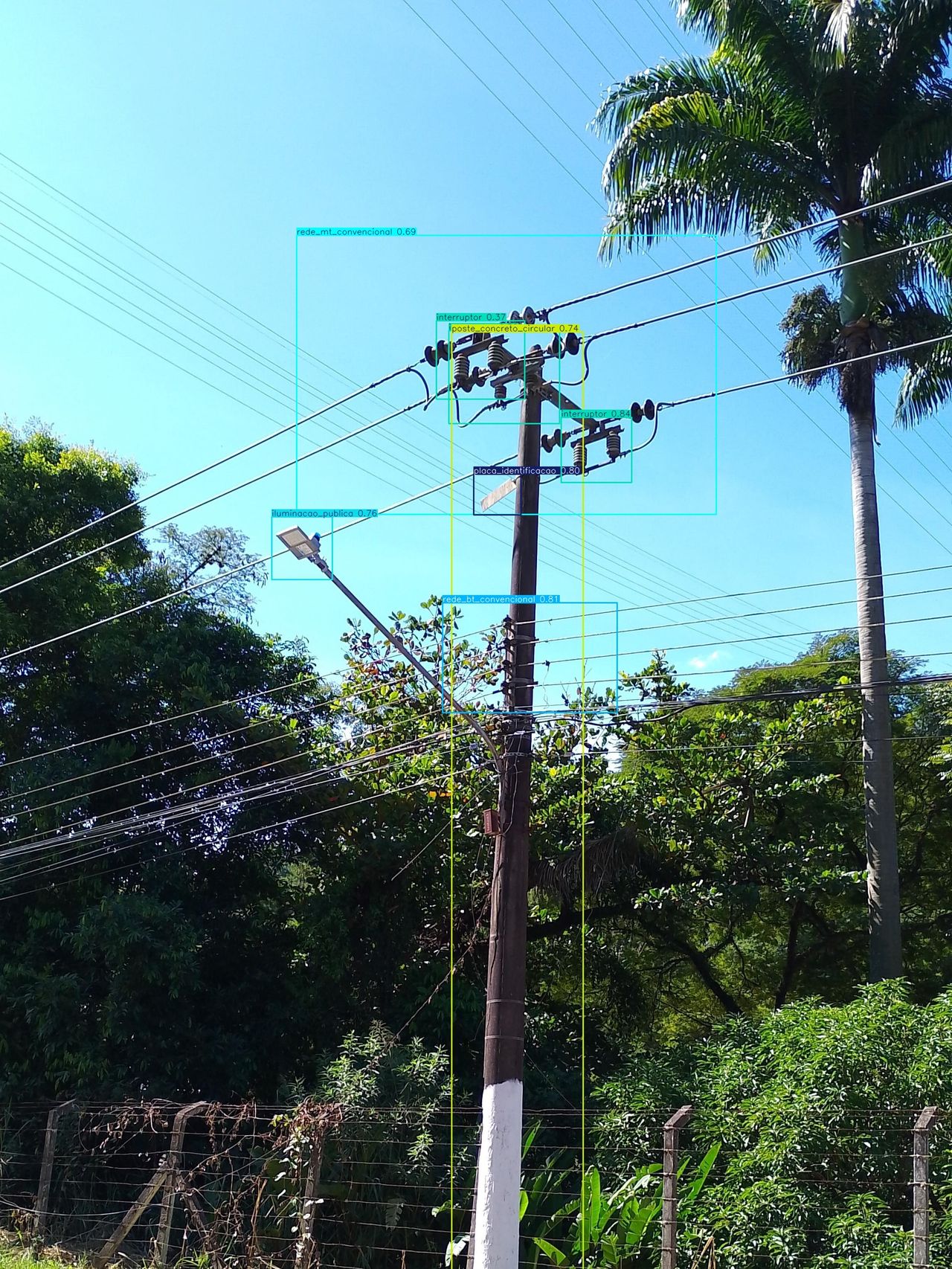
Rare class: circuit breaker + identification plate.
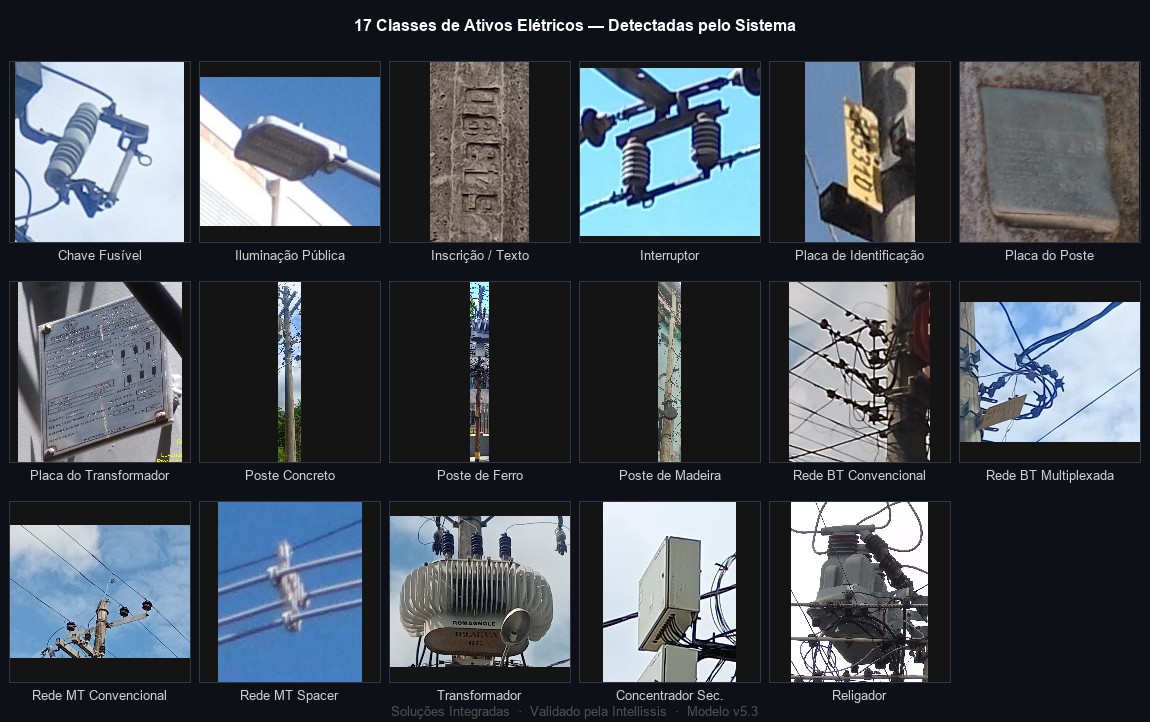
The 17 detected asset classes — from poles and transformers to reclosers and concentrators.
In addition to detecting 17 asset types, the system automatically reads the text on identification plates — extracting power rating, manufacturer and asset tag.
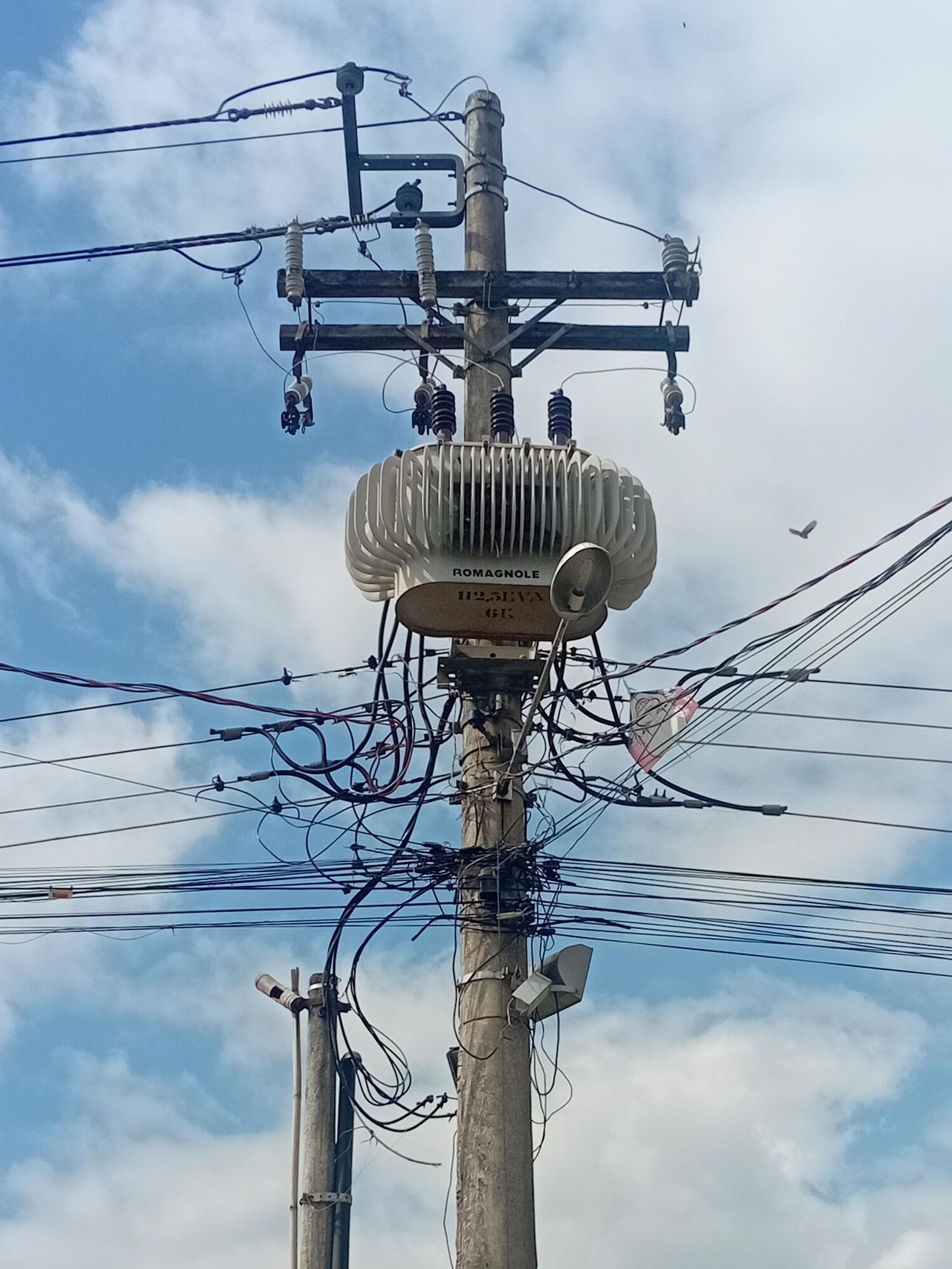
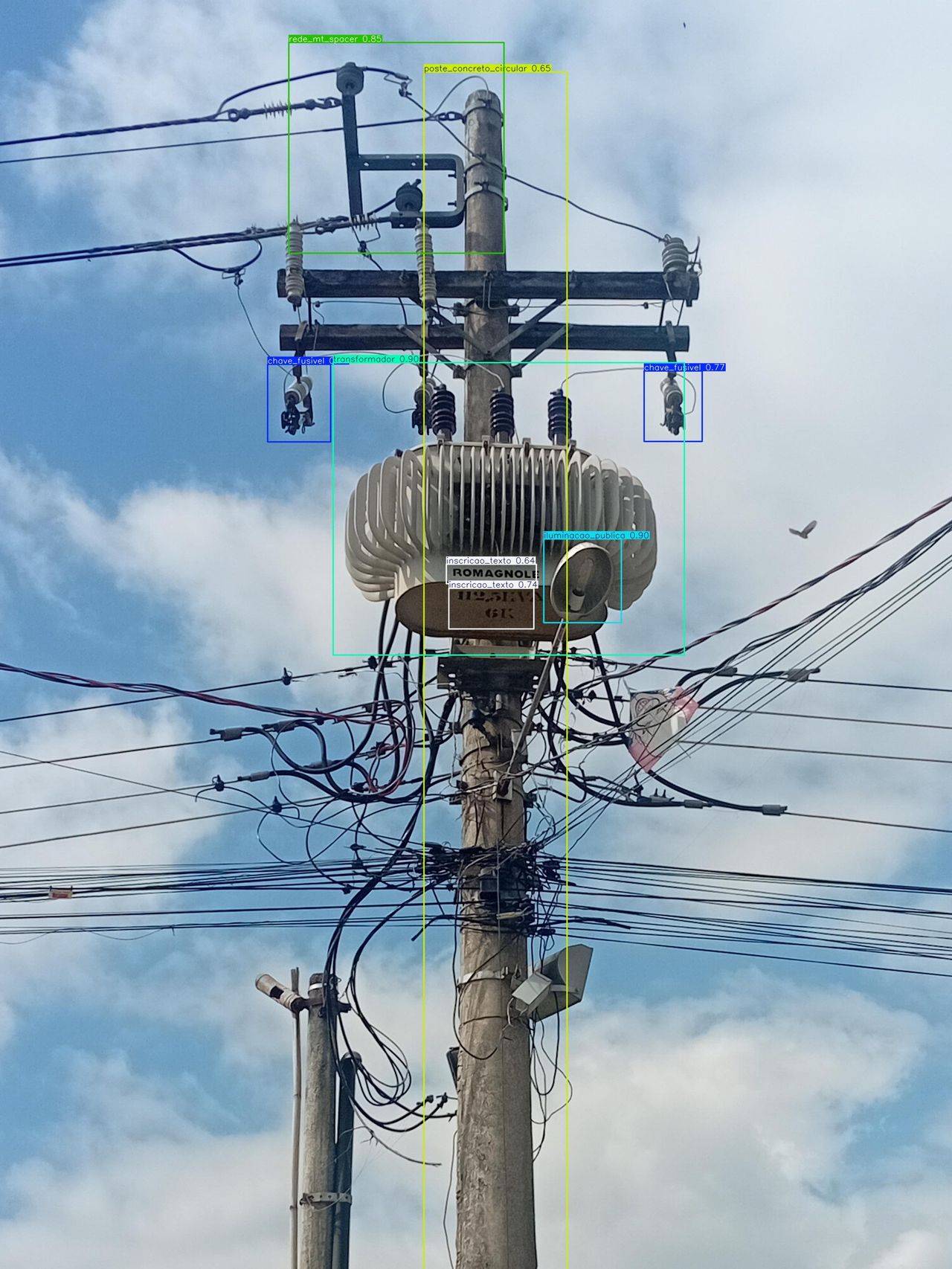 BeforeOCR
License plate "ROMAGNOLI" read automatically by the system.
Each dot represents a pole processed by the AI — covering urban, rural and environmentally protected regions of the State of Rio de Janeiro.
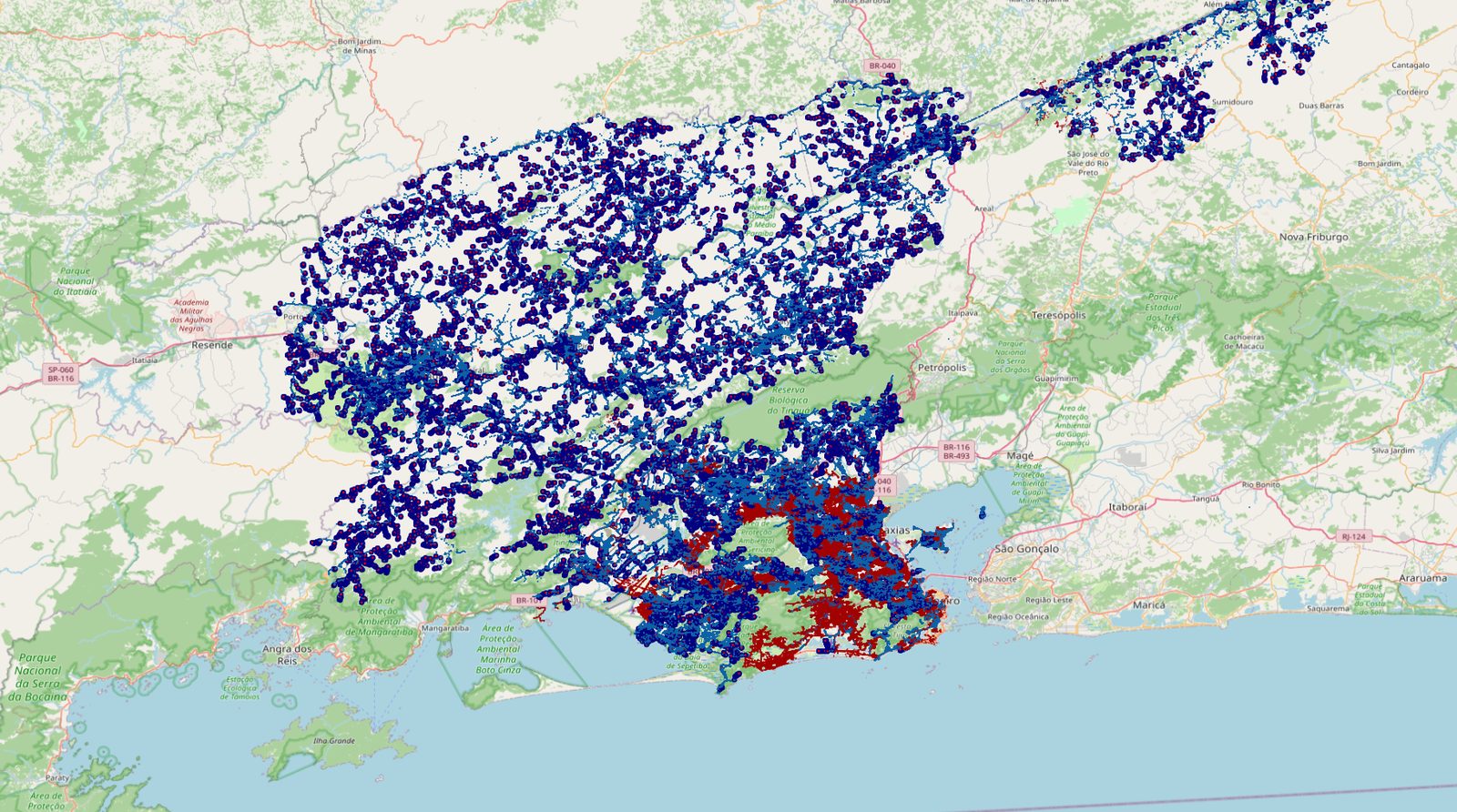
Data pulled directly from production databases in June 2026.
Here the tool was object detection in images, because the bottleneck was looking at photos and registering what appeared in them. For another client the bottleneck may be reading documents, checking spreadsheets, reconciling entries or scheduling a team. The technology changes; the method stays the same.
We map the process, find the step that eats the most hours and the most lead time, and build the automation that solves that step, integrated with what your team already uses. The result that matters is not the AI itself: it is lower labour cost and faster delivery to your own client.
If there is a manual, repetitive and expensive step in your process, it can most likely be automated. Tell us which one, and we will design the solution.
Talk to a specialistWe use cookies to improve your browsing experience and measure site audience. You choose which ones to accept, and you can change it later.
They make the pages work and store this choice of yours. The site does not run without them, so they do not require permission.
They count visits and show which pages get read. They exist to decide what to write, not to identify you.
They measure which ads bring contact and show ads to people who already visited. This is what sends data to Meta, Google and TikTok.